Living with chronic illness is a strange mix of things people don’t expect to coexist. Gratitude and grief. Resilience and resentment. Humor and heartbreak. And sometimes all before noon.
There are days when I feel deeply grounded, aware of my body, and oddly proud of how much I’ve endured. And there are days when I would like to negotiate with the universe about why basic tasks feel like I'm 98. Both are true. Often at the same time.
The Bad . . .because let’s not pretend it’s not there
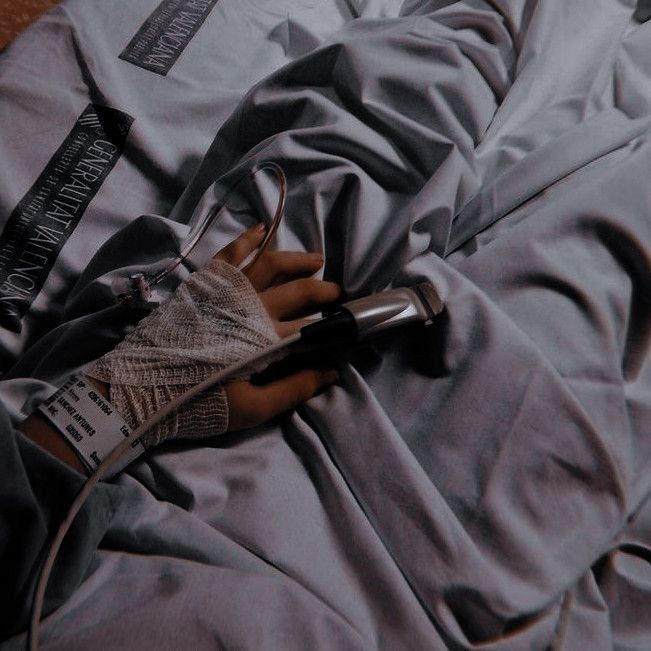
Let’s start with the obvious: chronic illness is exhausting. Not just physically, but mentally and emotionally. It’s waking up already tired. It’s having to think about things other people never consider like how long you can sit, stand, walk, concentrate, socialize, or recover. It’s canceling plans again, explaining your needs again, and feeling guilty for things that are not your fault AGAIN.
It’s also grief. Grief for the body you had, the ease you once moved through the world with, or the future you imagined before illness rewrote the script. And grief doesn’t show up once. It pops in uninvited, whenever it feels like it.
The Good. Yes, There Is Some.
Here’s the part people don’t always talk about, because it feels complicated to say out loud: there can also be growth. Depth. Perspective.
Chronic illness forces you to slow down and pay attention. You learn what actually matters. You become incredibly attuned to your body and your boundaries. You develop a radar for bullshit and an appreciation for the people who really show up. You learn to celebrate wins like a low-pain day, a good conversation, or a moment of laughter that feels like oxygen.
And honestly? The humor. Chronic illness humor is elite. When your life is unpredictable, sometimes laughing is the most grounding thing you can do.
The Everyday Life
Most days aren’t dramatic. They’re just… real. A mix of managing symptoms, adapting plans, advocating for yourself, and trying to live a full life within limits you didn’t choose.
This is the part I care most about, the permission to exist exactly where you are. You don’t have to be “inspiring.” You don’t have to be positive all the time. You don’t have to turn suffering into a lesson on demand. You’re allowed to be tired, angry, grateful, hopeful, and unsure, all at once.
Why I’m Writing This
Because chronic illness isn’t just a medical experience. It’s a human one. And people living it deserve honesty, validation, and space to talk about the full picture, not just the brave moments or the hard ones, but the messy, ordinary middle too.
If this resonates, know this: you’re not doing it wrong. You’re not weak for struggling. And you’re not alone in feeling the way you do.